

The Daniel Petry and Gabriel Kuhl case is one of Brazil’s most talked-about juvenile crime cases. It happened in Blumenau, Santa Catarina in the mid-2000s. Even in 2026, people still search for answers about what really happened between these two young boys.
This Brazilian juvenile crime case involves two teenagers whose lives ended tragically. Finding the truth is hard because Brazilian law protects juvenile records. Most information online mixes facts with rumors, making it difficult to know what’s real.
Understanding the Daniel Petry and Gabriel Kuhl Story
The Daniel Petry and Gabriel Kuhl story started in a quiet Brazilian neighborhood. Both boys enjoyed playing online gaming communities together. Their shared interest in multiplayer online games became an important part of understanding what led to the tragedy.
The case didn’t make news immediately. The Daniel Petry and Gabriel Kuhl incident became famous years later through social media discussions and blog posts. This delay allowed false stories and exaggerated details to spread across the internet without anyone checking if they were true.
Who Was Gabriel Kuhn in This Case
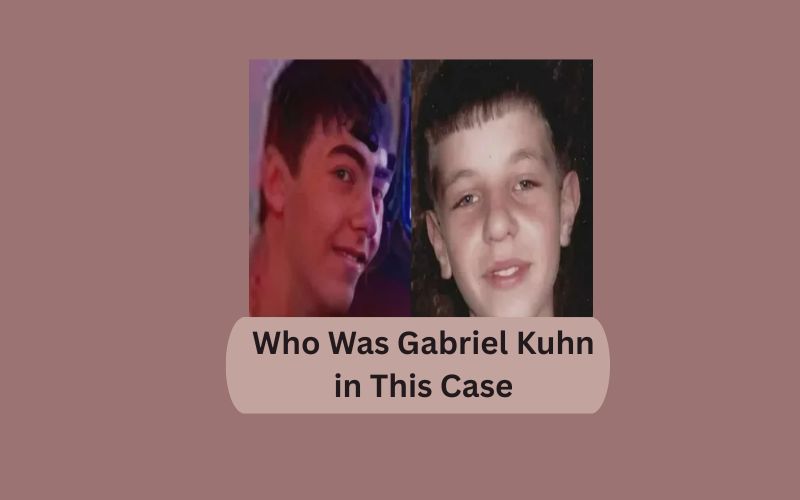
Gabriel Kuhn was a 12-year-old boy from Blumenau. Many websites wrongly spell his name as “Kuhl,” which creates name confusion. The correct spelling is “Kuhn,” and using it shows respect for accuracy and the victim.
Brazilian law keeps information about minors involved in crimes private. Privacy protection rules mean we know very little about Gabriel’s personal life. He was a regular kid with no criminal history who enjoyed normal childhood activities like gaming.
Daniel Petry’s Background and Profile
Daniel Petry was between 15 and 16 years old when the tragic incident happened. He lived near Gabriel and went through Brazil’s juvenile justice system. His young age meant automatic protection under minor protection laws that cover all legal cases involving children.
The Statute of the Child and Adolescent controls how Brazil handles youth violence cases. Daniel Petry got treatment focused on rehabilitation over punishment. After finishing his legal sentence, his location today remains unknown because of identity protection rules for juvenile offenders.
How the Two Boys Became Connected
Reports say Daniel Petry and Gabriel Kuhn knew each other in real life before gaming together online. Their friendship included both virtual items trading and face-to-face meetings. This double connection made their disagreement more serious than a simple online argument.
Stories suggest they fought over in-game currency or borrowed digital items. The multiplayer online game argument apparently moved from screens to real life. However, these details come from secondary reporting, not official court documentation, so we can’t be completely sure they’re accurate.
The Violent Encounter That Changed Everything
The Daniel Petry and Gabriel Kuhl case centers on a violent encounter between two Brazilian minors. Everyone agrees that Gabriel died and Daniel was arrested. Beyond these basic facts, stories change a lot depending on where you read them.
Responsible reporting means not sharing unconfirmed details that make the story more shocking. Many websites include graphic claims that can’t be proven. Good discussions stick to verified sources and respect the privacy protection both families need under Brazilian juvenile justice system rules.
Legal Processing Under Brazilian Juvenile Law
Brazilian law treats juvenile crime very differently from adult crimes. The Statute of the Child and Adolescent stops courts from trying minors involved as adults no matter what they did. Juvenile detention usually can’t last more than three years.
Daniel Petry reportedly got the longest sentence allowed for juvenile offenders under this system. This legal sentence focuses on rehabilitation over punishment, showing Brazil’s belief that young people can change. Once released, former juvenile offenders get identity protection, which explains why nobody knows where Daniel Petry is now.
Why This Case Went Viral Online
The Daniel Petry and Gabriel Kuhl story spread worldwide years after it happened. Social media discussions, blog posts, and viral videos brought global attention. But this attention came without verified sources or proper checking, letting misinformation grow out of control.
People making content often chose shock over truth when telling the Daniel Petry and Gabriel Kuhl story. Exaggerated details and fabricated details became normal in many versions. This sensationalization hurts the families and creates public confusion about what really happened in Blumenau, Santa Catarina.
The Misinformation Problem Surrounding the Case
Misinformation is the biggest problem when learning about the Daniel Petry and Gabriel Kuhl case. Thousands of websites have wrong spellings, fake timelines, and completely unconfirmed details. Some sources use random photos, fooling readers about who the real people were.
The fact vs speculation line gets blurry when conflicting claims fill search results. People with similar names get wrongly connected to what happened. This shows how Internet misinformation can hurt innocent people while twisting the truth about real tragic incidents like this case.
Why Verified Information Remains So Limited
Verified sources about this case are rare for good reasons. Brazilian law strictly blocks sharing details about minors involved in criminal cases. These minor protection laws have important purposes, protecting children even when they do something seriously wrong.
Local news coverage was small and never reached international papers. No detailed reports exist from trusted legal or news sources. This gap lets online myths take over, making responsible reporting almost impossible without admitting we don’t know everything.
The Name Spelling Confusion Explained
The name confusion between “Kuhn” and “Kuhl” affects search engine results and trust. Gabriel’s last name is correctly “Kuhn,” but “Kuhl” appears on countless websites. This internet mistake has been copied so many times that people think the wrong spelling is right.
Using the correct spelling matters for SEO trustworthiness and basic respect. Fact-checking this simple detail shows you care about accuracy over clicks. Writers discussing Daniel Petry and Gabriel Kuhn should always use the verified spelling to stay credible.
Ethical Considerations in Discussing Youth Crimes
Ethical considerations must guide any talk about the Daniel Petry and Gabriel Kuhl case. This involves a child’s death and another child’s mistakes within systems made for minor protection. Making the tragedy sensational causes real pain to families and friends still living.
Ethical journalism focuses on legal context, respects privacy protection, and avoids graphic claims that teach nothing useful. Discussions should look at bigger questions like how the juvenile justice system works, online gaming safety, and rehabilitation ideas rather than focusing on violence.
The Role of Online Gaming in the Narrative
Online gaming communities appear often in the Daniel Petry and Gabriel Kuhl story. Many sources say fights over virtual items or in-game currency started the conflict. This connection made the case extra interesting to internet users who understand gaming culture.
However, blaming multiplayer online games makes things too simple. Games don’t cause violence, though arguments can start there. Understanding this difference stops unfair blame while recognizing that online gaming fights sometimes become real-world problems.
Long-Term Impact on Internet Culture
The long-term impact of the Daniel Petry and Gabriel Kuhl case lives mainly online rather than in school books. People cite it as an example of Internet misinformation and how hard finding truth online can be. The case shows how social media can twist tragic events.
Outside internet talk, this case barely appears in serious legal studies. Privacy laws and time passing mean scholars probably won’t study it deeply. Its legacy exists mainly through search interest driven by curiosity and ongoing online myths that won’t go away.
What Brazilian Law Says About Juvenile Offenders
The Brazilian juvenile justice system works differently than many countries. Juvenile offenders can’t get adult sentences no matter what crime they committed. The Statute of the Child and Adolescent limits juvenile detention to three years maximum, focusing on helping kids change.
This approach believes minors involved in crimes deserve chances to improve. Some people think serious youth violence needs harsher results, while others point out that rehabilitation over punishment keeps more kids from committing crimes again. Daniel Petry received these protections, getting treatment as a child needing help.
Current Search Trends and Public Interest
Search interest in Daniel Petry and Gabriel Kuhl stays surprisingly high in 2026. New people discover the story through viral videos, blog posts, and social media recommendations. Each new group finding it creates fresh online forums discussions, keeping curiosity and confusion alive.
No clear, trustworthy explanations exist, which keeps demand for information high. People find conflicting claims and look for answers, only finding more misinformation. This pattern explains why the topic keeps showing up in search engine results long after similar cases disappear.
Learning From This Tragic Case
The Daniel Petry and Gabriel Kuhl case teaches important lessons about Internet misinformation, ethical journalism, and juvenile crime. It shows how social media discussions can twist tragic events when verified sources aren’t available. Fact-checking becomes crucial when sensationalization takes over.
It also shows tension between public curiosity and privacy protection for minors involved in criminal cases. While openness serves good purposes, minor protection laws exist for valid reasons. Balancing these needs requires careful thinking that puts ethical considerations before shocking stories.
Conclusion
The Daniel Petry and Gabriel Kuhl case represents a heartbreaking Brazilian juvenile crime from Blumenau, Santa Catarina. Despite high search interest in 2026, verified sources stay limited because of privacy protection laws for minors involved. Misinformation controls online discussions, making responsible reporting essential. Understanding this case means accepting gaps in available facts while respecting both families’ privacy. The long-term impact reminds us about ethical journalism and Internet misinformation challenges when discussing sensitive topics involving children.
Frequently Asked Questions
What happened between Daniel Petry and Gabriel Kuhl?
A violent encounter occurred between the two Brazilian minors in Blumenau. Gabriel died while Daniel went to juvenile detention under Brazil’s minor protection laws.
How old were Daniel Petry and Gabriel Kuhn?
Gabriel Kuhn was 12 years old when it happened. Daniel Petry was about 15 or 16, making both minors involved under Brazilian law protection.
Why is the case spelling confused as Kuhl?
The correct spelling is “Kuhn” but Internet misinformation spreads “Kuhl” everywhere. This name confusion continues even though it’s wrong and affects search accuracy.
What sentence did Daniel Petry receive?
Daniel Petry got juvenile detention under Brazil’s Statute of the Child and Adolescent. Reports say about three years, focusing on rehabilitation over punishment.
Where is Daniel Petry now?
Daniel Petry’s location today is unknown because of privacy protection laws. Brazil’s juvenile justice system ensures identity protection for former juvenile offenders after release.
Discover the tragic truth behind Daniel Petry and Gabriel Kuhl case from Brazil. Facts, myths, and legal details explained clearly.
Read More:Meet Joylette Goble: Katherine Johnson’s Daughter Inspires STEM Legacy
