
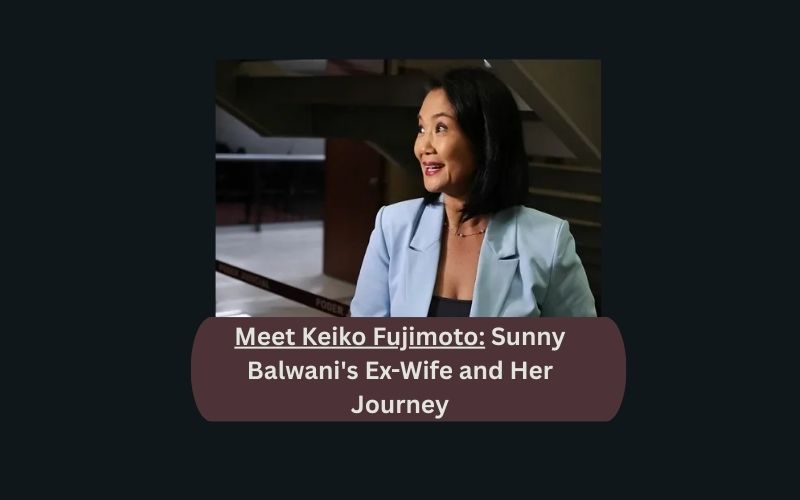
Meet Keiko Fujimoto, a talented Japanese professional who spent over 30 years working in technical writing at Applied Materials. Many people know her because she was once married to Ramesh “Sunny” Balwani, but her own story is much more interesting.
She built an impressive career helping companies create clear instruction manuals for complex machines. After divorcing in 2002, she continued working while also creating beautiful Japanese minimalist art. Today, she lives quietly in Japan, away from public attention.
This article shares Keiko Fujimoto’s real story her professional success, creative talents, and peaceful life. Her achievements deserve recognition beyond any connection to others’ problems.
Quick Bio
Keiko Fujimoto earned her Bachelor’s degree in International and Cultural Studies from Tsuda University in Japan. Later, she completed a Master’s degree in Information Sciences at the University of Illinois Urbana-Champaign.
She worked at Applied Materials for 32 years, from 1988 until 2021. During this time, she became a Technical Publications Manager and helped improve how companies write instruction manuals. She also pursued her passion for art inspired by traditional Japanese design.
She married Sunny Balwani but divorced in 2002, before Theranos existed. Now she lives in Japan, focusing on personal projects. Her estimated net worth is around $150,000.
Who Is Keiko Fujimoto?
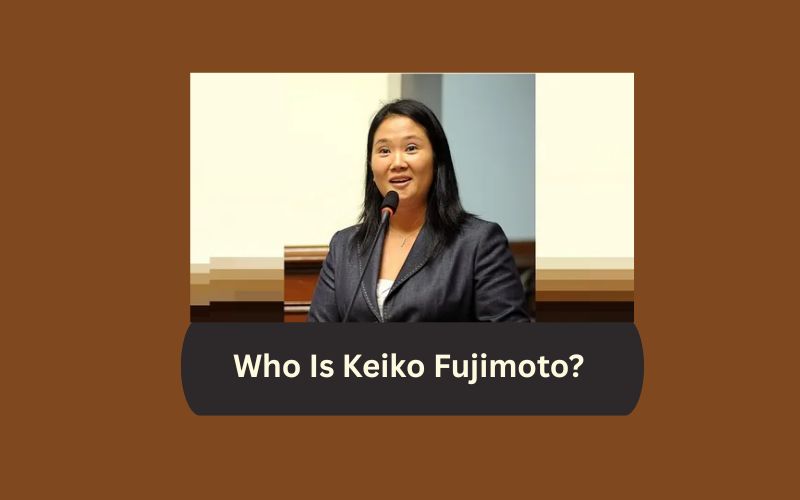
Keiko Fujimoto is known for her long career in the semiconductor industry. At Applied Materials, she wrote and managed technical documentation that helped people understand complicated equipment. Her work made machines safer and easier to use worldwide.
She’s also a skilled artist who creates work influenced by Japanese aesthetics. Her art follows wabi-sabi principles, which find beauty in simplicity. While some recognize her as Keiko Fujimoto Balwani’s former wife, her own accomplishments tell a different story.
Her ability to combine technical expertise with creative thinking made her unique. She brought Japanese heritage values into her American workplace. This blend of cultures enriched everything she created during her career.
Early Life and Background
Growing up in Japan shaped how Keiko Fujimoto approached both work and art. Traditional Japanese values like simplicity and attention to detail surrounded her childhood. These ideas became important in her later professional and creative life.
She learned about wabi-sabi, which appreciates imperfect beauty, and the importance of empty space. These concepts influenced her thinking from a young age. They later helped her create clear documents and beautiful artwork.
Her Japanese upbringing gave her a strong work ethic and careful eye for detail. Even after living in America for years, her cultural background stayed central to who she was. This foundation helped her navigate challenges throughout her life.
Keiko Fujimoto – Age and Personal Details
Keiko Fujimoto’s exact age and birthday aren’t publicly known because she values privacy. She’s always kept personal information private, even when people became curious about Sunny Balwani. This choice shows her strength and independence.
We know she’s Japanese and speaks both Japanese and English fluently. Her strong education from respected universities proves her intelligence. After retiring from Applied Materials in 2021, she moved back to Japan.
Her decision to keep her personal life private deserves respect. Unlike people who seek attention, she let her work speak for itself. This dignified approach shows her true character.
Education and Academic Development
Keiko Fujimoto’s education started at Tsuda University, a respected women’s college in Japan. She earned a Bachelor’s degree in International and Cultural Studies, learning about different cultures and communication. This prepared her for working with people from various countries.
Next, she studied at the University of Illinois Urbana-Champaign, earning a Master’s in Information Sciences. This program taught her about organizing information and creating helpful documentation. The mix of cultural knowledge and technical skills became her advantage.
Her academic background combined understanding people with understanding technology perfectly. She knew how to explain complicated ideas in simple ways. This education set her up for success in technical writing and management roles.
Keiko Fujimoto’s Early Career
In the late 1980s, Keiko Fujimoto started working at Applied Materials as a technical writer. The semiconductor industry was challenging because even small mistakes could cause safety problems. She needed to be extremely accurate in everything she wrote.
She worked with engineers to understand how machines worked. Then she turned that complicated information into clear user manuals and safety guides. Her talent for making technical information easy to understand became her strongest skill.
The semiconductor field changed quickly, so she constantly learned new things. She created standard terms that teams worldwide could understand. Her careful work and fresh perspective improved Applied Materials’ instruction materials significantly.
Rise to Technical Publications Manager
After years of excellent work, Keiko Fujimoto became a Technical Publications Manager. In this leadership position, she guided teams of writers and created company documentation standards. She managed people with respect while meeting American business goals.
She built templates and writing guides that made all documents more consistent. Her teams worked with engineering, marketing, and product departments. She also handled translation projects, making sure customers everywhere received accurate information.
Her systems kept working well even after she left the company. She taught many technical writers important skills and professional habits. Her impact on technical communication went beyond her own work to improve entire processes.
Keiko Fujimoto’s Creative Work
While working full-time, Keiko Fujimoto still made art throughout her career. Her artwork shows deep connections to Japanese minimalism and traditional beauty. She used soft colors, natural materials, and thoughtful spacing in her pieces.
Creating art helped her balance demanding work at Applied Materials. It gave her a way to express emotions and stay connected to Japan. The same careful attention she used in writing also made her artwork special.
She appeared on Takajin Mune Ippai, a Japanese TV show that featured her creative talents. This brought her work to more people while respecting her privacy. Her artistic style proves how cultural roots can inspire modern creativity.
Keiko Fujimoto’s Marriage to Sunny Balwani
Keiko Fujimoto married Ramesh “Sunny” Balwani when he worked in Silicon Valley. They lived in San Francisco together while pursuing their careers. However, they divorced in 2002, before Theranos even started.
This timing matters greatly: she never had any connection to Theranos whatsoever. The company began in 2003, one year after their divorce ended. Any link between Keiko Fujimoto and Theranos only exists because of her past marriage.
After divorcing, she never spoke publicly about their relationship. She didn’t try to profit from Sunny Balwani’s later legal troubles. Her choice to stay quiet shows real strength and focus on her own path.
Who Is Sunny Balwani?
Sunny Balwani, born Ramesh Balwani in Pakistan, became a Silicon Valley leader. He studied at the University of Texas and got his MBA from UC Berkeley. He held various technology jobs before joining Theranos.
At Theranos, he was President and COO during controversial times. The health company claimed to do amazing blood tests that turned out to be fake. Investigations proved the company lied about what their technology could actually do.
Balwani faced fraud charges for misleading investors and patients about Theranos. He was convicted and sent to prison. Importantly, his relationship with Keiko Fujimoto ended 20 years before these problems, so she wasn’t involved.
Keiko Fujimoto’s Children
There’s no public information about whether Keiko Fujimoto has children. She’s never discussed family matters in any interviews. This lack of information shows her commitment to protecting her personal life.
Respecting her privacy on this topic is important. Guessing without facts would be wrong and disrespectful. Her choice to keep family details private deserves understanding, especially given unwanted attention from her past marriage.
Keiko Fujimoto’s Life After Divorce
After divorcing in 2002, Keiko Fujimoto slowly stepped back from Silicon Valley’s spotlight. She kept working at Applied Materials while maintaining more privacy. Eventually, she decided to move back to Japan for good.
Returning to Japan helped her heal and reconnect with her roots after years abroad. In Japan, she escaped unwanted attention and could focus on her art peacefully. Her move back to Japan meant choosing authenticity over convenience.
She focused on what made her happy rather than seeking recognition. After retiring in 2021, she spent time on creative projects and quiet living. Her life after divorce shows how to rebuild gracefully and choose meaning over fame.
Contribution to Technical Communication
Keiko Fujimoto’s work in technical communication improved semiconductor documentation quality at Applied Materials. She made instruction manuals clearer and more useful across all products. Her work improved safety by ensuring directions were accurate and easy to follow.
She trained many technical writers, teaching them professional standards and best practices. Her documentation systems kept working perfectly after she retired. The templates and guidelines she created became models for the industry.
Her approach mixed Japanese precision with American clarity, creating highly effective technical materials. She knew that clear instructions prevented accidents and helped customers succeed. Her legacy in technical writing improved systems that benefit countless people today.
Keiko Fujimoto’s Artistic Style
Keiko Fujimoto’s art reflects Japanese principles including minimalism, wabi-sabi, and thoughtful use of space. Her work features gentle colors, natural materials, and clean designs. Each piece invites quiet appreciation rather than demanding attention.
The idea of ma, or meaningful empty space, plays a big role in her artwork. She understands that what’s not there matters as much as what is. Her minimalist approach reflects cultural values of simplicity and subtle beauty.
Interestingly, her artistic eye improved her technical writing by making document layouts clearer and easier to read. She used design principles to create more helpful documentation. This combination of art and technical work shows her complete approach to communication.
Keiko Fujimoto’s Legacy
Keiko Fujimoto’s legacy includes professional excellence, cultural authenticity, and quiet dignity during unwanted attention. Her 32-year career created lasting improvements in technical publications and semiconductor instruction materials. The systems she built still help Applied Materials and its customers today.
Beyond measurable work achievements, she showed how to maintain integrity when connected to scandal. She never used her link to Sunny Balwani for attention or money. Instead, she chose privacy and focused on her own work.
Her life proves that success doesn’t need publicity or self-promotion. She created meaningful professional impact through skill, dedication, and cultural wisdom. Her example inspires people who value substance over superficial recognition.
Keiko Fujimoto’s Net Worth
Keiko Fujimoto’s net worth is estimated around $150,000, showing her simple lifestyle and steady career. This amount comes from her 32 years of earnings at Applied Materials. She never tried risky investments or public business deals.
Her financial privacy matches her overall approach to personal information. Unlike others who profit from every connection, she maintained financial independence quietly. Her wealth reflects a career built on skill rather than publicity.
This modest net worth doesn’t reduce respect for her achievements. She chose meaningful work and personal happiness over accumulating wealth. Her financial approach mirrors her values of simplicity and substance.
Conclusion
Meet Keiko Fujimoto as an accomplished professional whose work stands alone. Her decades in technical communication, combined with artistic pursuits rooted in Japanese culture, created real impact. She chose dignity and privacy, building her reputation entirely on personal merit and professional skill.
Frequently Asked Questions About Keiko Fujimoto
Who is Keiko Fujimoto?
Keiko Fujimoto is a Japanese technical writer who worked 32 years at Applied Materials. She’s also an artist influenced by Japanese minimalism and traditional design.
Why is Keiko Fujimoto known as Sunny Balwani’s wife?
She married Ramesh “Sunny” Balwani until divorcing in 2002. This happened before Theranos started, so she wasn’t involved in any controversies.
Did Keiko Fujimoto work at Theranos?
No. Keiko Fujimoto had zero connection to Theranos. Her divorce from Balwani happened in 2002, before the company started in 2003.
What is Keiko Fujimoto’s educational background?
She has a Bachelor’s in International Studies from Tsuda University and a Master’s in Information Sciences from University of Illinois Urbana-Champaign.
Where is Keiko Fujimoto now?
Keiko Fujimoto lives in Japan, maintaining a private life focused on personal creative projects. She retired from Applied Materials in 2021.
Discover Keiko Fujimoto’s 32-year career at Applied Materials, her artistic legacy, and life beyond Sunny Balwani’s shadow in Japan.
Read More:Fat Perez Net Worth: Inside His $3.7 Million Fortune
